A painting adds character to a space and often expresses more than words ever could. Whether you appreciate modern art, colorful compositions, abstract forms or refined details, a painting brings atmosphere, emotion and personality together in a single artwork. Marcel Straver’s collection of paintings consists of unique works in which color, technique and artistic expression take center stage. Every painting is created with attention and craftsmanship, giving each artwork its own distinctive appearance and story.
A painting is more than decoration on the wall. It strongly influences the atmosphere and appearance of an interior and can add calmness, energy or inspiration to a space. The paintings by Marcel Straver are characterized by a powerful combination of color, composition and artistic expression, allowing each work to fit beautifully within modern interiors while also complementing classic or minimalist living styles. Every painting is made by hand, where technique and feeling go hand in hand. Read more about the creative process and sources of inspiration on the paintings info page or in the biography of Marcel Straver.
The collection spans a wide variety of styles and techniques, making it possible to find a suitable painting for every room and personal preference. From expressive modern paintings to refined pointillist paintings, every piece has its own distinctive character that immediately gives a space personality.
Within Marcel Straver’s collection you will find different types of paintings, each creating its own atmosphere and visual experience. This makes it easier to discover an artwork that perfectly matches your interior, personal taste and the style of your home or workspace.
A modern interior deserves artwork that stands out while perfectly complementing the space. The collection of modern paintings by Marcel Straver is known for bold compositions, striking contrasts and a contemporary feel. Through the use of color, depth and texture, these artworks instantly add atmosphere to a living room, office or luxurious reception area. Modern art fits beautifully within minimalist interiors but can also create a powerful contrast within calm and neutral spaces. A striking example is Concrete Cut, where the tension between organic nature and hard concrete structure comes to life in a thoroughly contemporary way.
Those who appreciate detail and technique will be drawn to the unique appearance of pointillist paintings. These works are built up from thousands of small paint dots that together form a complete image, creating a fascinating effect in which color, light and depth blend together in a subtle and artistic way. The longer you look, the more details become visible, keeping every painting vibrant and captivating from every angle. A beautiful example of this technique is the Portrait Elise Mathilde, where pointillism adds a remarkable depth and layering to the face.
A large artwork can completely transform the appearance of a room. The collection of big paintings is perfect for anyone who wants to make a bold statement within an interior. Large paintings look stunning above a couch, dining table or in a spacious hallway. Their size creates balance and calm on the wall while immediately drawing the eye. Especially in modern homes and open-plan spaces, large paintings add luxury and character. For more information about available sizes and finishes, visit the paintings info page.
Color has a strong influence on the atmosphere within a room. The collection of colorful paintings combines warmth, energy and liveliness in a single artwork. Through the use of vibrant tones and creative color combinations, these works create a dynamic visual effect that instantly stands out. Colorful art can give a neutral interior more personality and provides an inspiring atmosphere in living rooms, offices or creative spaces. A vivid example is Poppy Party, which brings the blazing red of poppies and the energy of a summer meadow straight to your wall.
A face tells an entire story. Within the collection of portrait paintings, emotion, expression and personality take center stage. These artworks immediately draw attention because facial expressions and details are rendered in such a powerful way. Portrait paintings give a room an artistic and personal atmosphere and often become the true focal point of an interior. Marcel Straver also accepts commissioned work, allowing you to have a portrait made of a person, an animal or a special moment.
Flowers bring together elegance, tranquility and color. The collection of paintings with flowers creates a natural and atmospheric addition to any interior. Thanks to the combination of soft shapes, vibrant colors and refined details, these artworks fit beautifully within both modern and classic living styles. Floral paintings add warmth and a fresh, inviting feel to any room, whether hung in the living room, bedroom or hallway.
Nature has a calming effect within an interior. The collection of paintings with trees brings that peaceful atmosphere indoors through depth, color and organic shapes. These artworks create balance and fit perfectly within living rooms, bedrooms or any space designed for relaxation. The painting Twilight Trees is a compelling example of how trees in the last light of day can evoke a serene, almost magical atmosphere that speaks directly to the imagination.
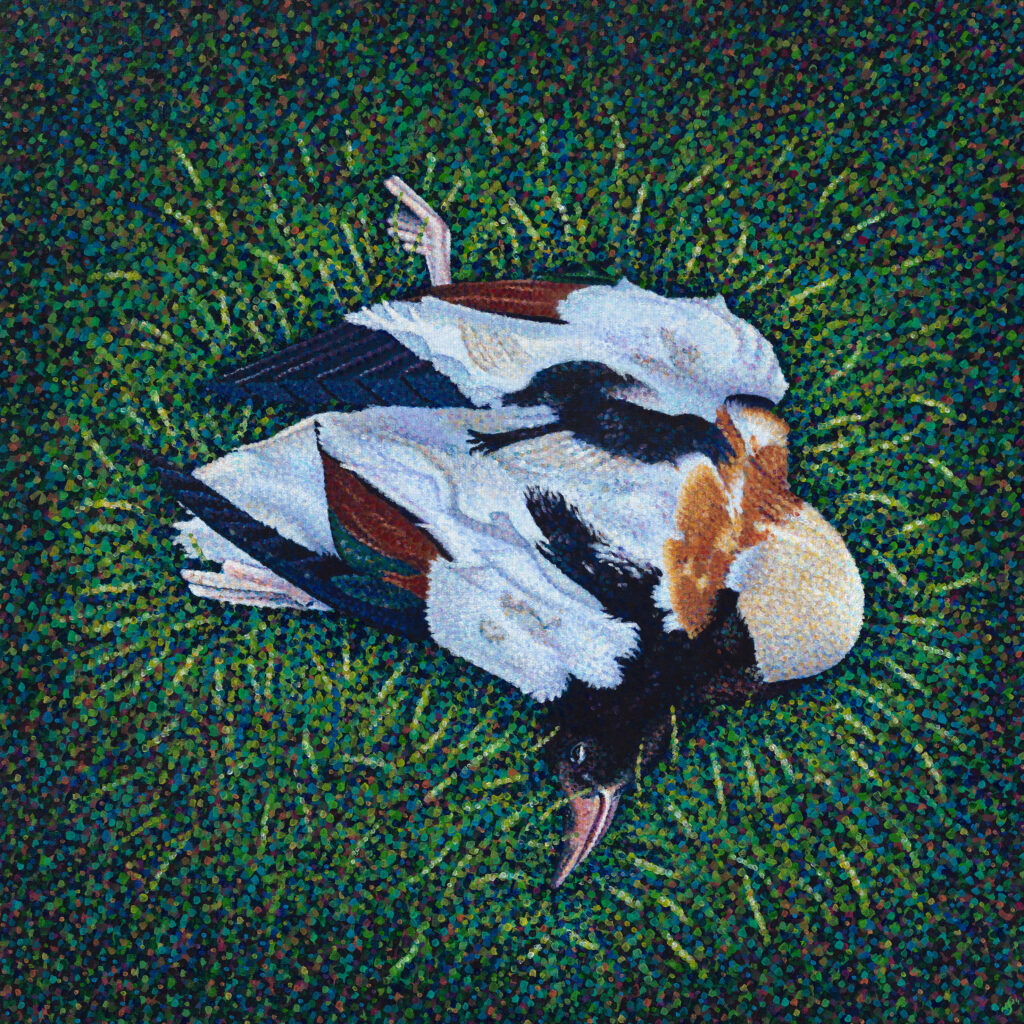
Animals inspire the imagination and often give artworks a powerful presence. The collection of paintings of animals combines expression, detail and character in unique compositions. Whether subtle nature-inspired pieces or bold statement works, animal paintings always add atmosphere and personality to a space. Dead Duck is a particularly striking example: raw, honest and impossible to ignore.
Within the collection of paintings with elements, different forms, structures and artistic influences come together. This results in unique artworks that continue to fascinate over time. The combination of material, color and composition creates a contemporary appearance with great depth and visual richness, ideal for collectors seeking something that goes beyond the familiar.
A landscape painting brings space and tranquility into a home. The collection of paintings with landscapes allows natural environments to come to life in an artistic way. Through the use of perspective, light and color, these works invite you to keep looking. Landscape paintings fit equally well within modern and rural interiors, adding warmth and depth to larger spaces.
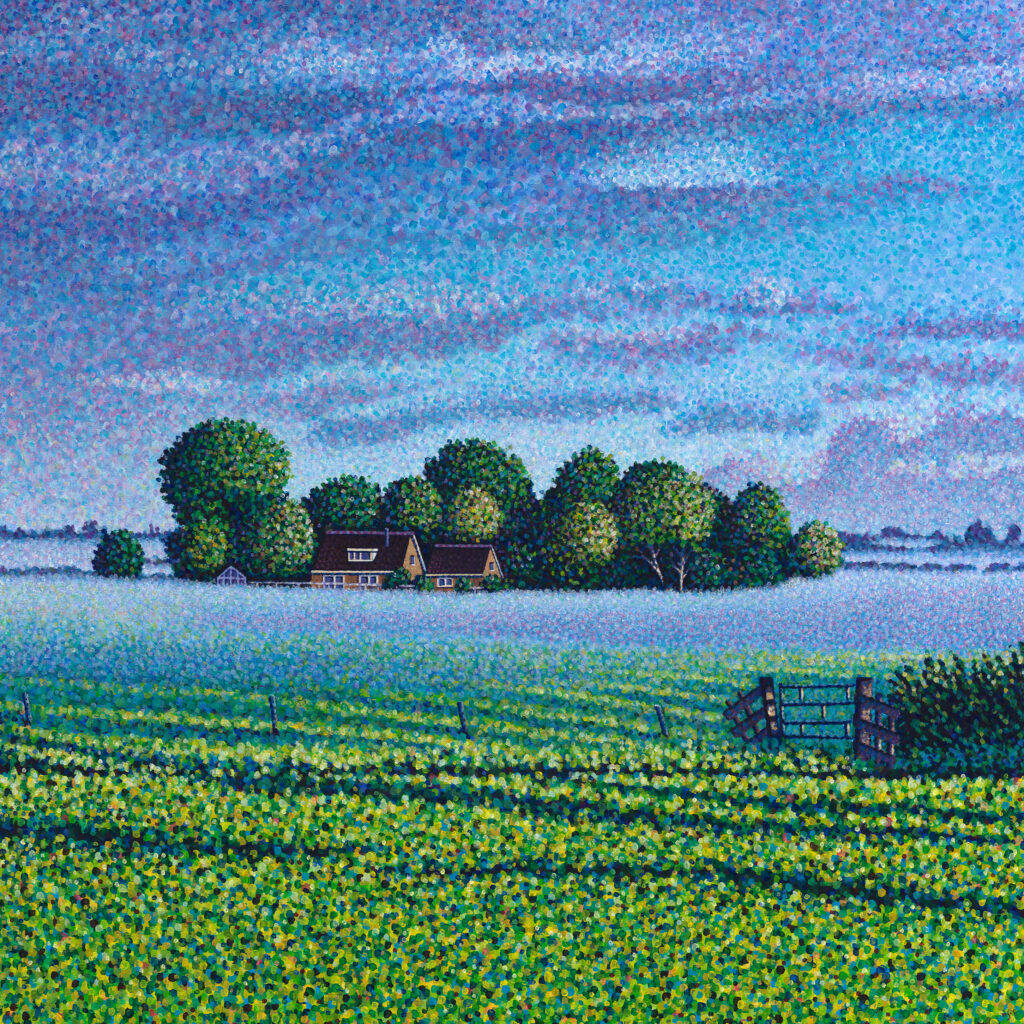
The distinctly Dutch landscape forms the inspiration behind the paintings of the polder. The open fields, expansive skies and natural tones create a sense of recognition and quiet beauty. Polder Paradise and Polder Posts are two compelling examples of how Marcel Straver captures the typical stillness and space of the Dutch lowlands on canvas. These paintings bring a piece of Dutch nature indoors and sit beautifully in any warm and welcoming living space.
Details drawn from nature come to life beautifully within the collection of paintings of foliage. Leaves, structures and organic forms are rendered in an artistic way, creating a subtle and refined visual presence. These paintings add calm and elegance to a wall and work wonderfully in interiors that seek a balance between nature and design.
The wall above the couch is often the central focal point of a living room and largely defines the atmosphere of the entire seating area. Choosing the right painting for above the couch instantly adds more atmosphere and visual balance to the interior. Wide or large-format artworks help tie the seating area together as one cohesive whole and give the room a sense of luxury. Horizontal compositions or bold color accents work particularly well here, visually connecting the couch and wall.
Art can make a real difference in the kitchen too. The collection of paintings for the kitchen brings warmth, character and a welcoming feel to this central room of the home. Colors and shapes create a more inviting atmosphere while cooking, eating and spending time together. Works featuring food-related subjects, flowers or vibrant colors work particularly well here. A playful example is Home Harvest, which celebrates the beauty of freshly harvested vegetables in a painterly, expressive way.
Rest and relaxation are at the heart of the bedroom. The collection of paintings for the bedroom has been carefully selected to create a calm and harmonious atmosphere. Through soft colors, natural forms and peaceful compositions, these works create a pleasant environment in which to fully unwind. Think of paintings with trees, foliage or gentle landscapes that transform a bedroom into a personal sanctuary.
The living room is the heart of the home and deserves an artwork that truly fits the atmosphere of the space. With the collection of paintings for the living room you can easily add more warmth, luxury and personality. Whether you opt for colorful art, contemporary compositions or calming nature scenes, a well-chosen painting completes the interior. Looking for accessible editions of the most popular works? Be sure to explore the prints collection as well.
Choosing a painting starts with feeling, but practical considerations also play an important role. The dimensions of the wall largely determine which format works best, a large piece above a couch calls for different proportions than a smaller work in an alcove. The color palette of your interior is another key factor: colors that recur in the painting create cohesion and visual calm. The desired atmosphere, natural light and the style of your furniture and accessories are equally important in making the right choice.
A single large painting can serve as a true focal point, while a group of smaller works creates a more playful and dynamic effect. Repeating colors from the interior in the artwork brings harmony and unity to the overall space. For more about purchasing, sizing and commissioning, visit the paintings info page.
A painting can completely transform a space. In living rooms, art adds warmth and personality, while paintings in offices or reception areas convey professionalism and creativity. In hospitality venues, hotels or upscale waiting areas, artworks contribute to an exclusive and distinguished atmosphere. The paintings by Marcel Straver are crafted to be not only visually striking but also to leave a lasting impression, whether through colorful works that bring energy to a room or landscapes that radiate calm.
Those looking for a unique painting are choosing art with real character. Marcel Straver’s collection brings together creativity, technique and visual presence in every single work. You are not bringing standard wall decoration into your home, you are acquiring an artwork with its own identity. Whether you choose an expressive portrait, a large painting that fills an entire wall, or an intimate floral painting that adds atmosphere to a smaller space, every piece is a statement in its own right.
Curious about which style suits your interior best? Explore the different categories and discover which artworks match your taste and space. For questions about availability, sizing or commissioning a custom work, feel free to get in touch.